
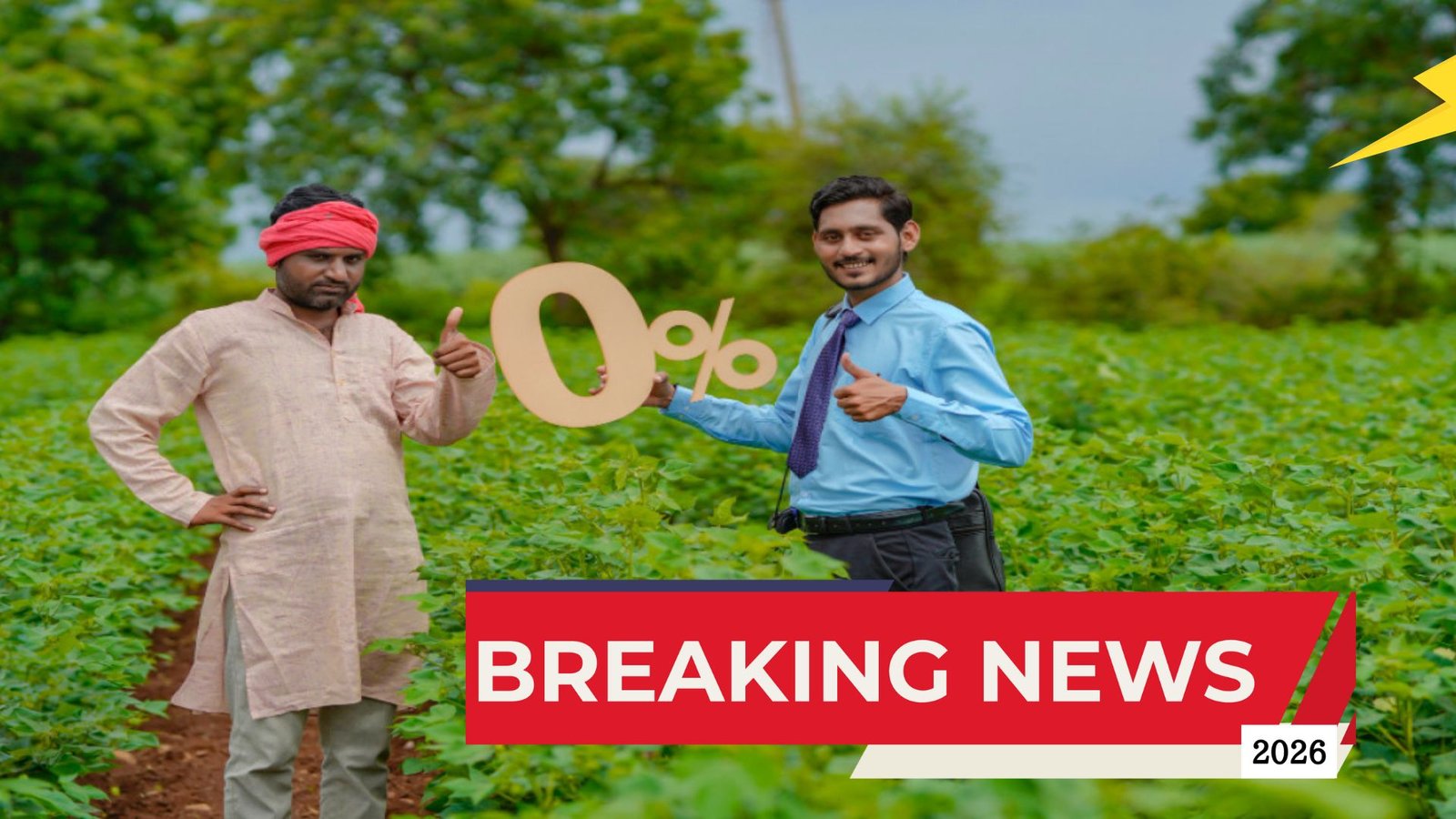
Madhya Pradesh Chief Minister Dr. Mohan Yadav has emphasized that the complete development of villages, the poor, and farmers is the state government’s highest priority. The main goal is to make them self-reliant and give them economic strength. Keeping this in mind, the year 2026 has been declared as the Agricultural Welfare Year. During this year, special steps will be taken to promote industries based on agriculture and to make rural employment stronger.
The Chief Minister said that in the Agricultural Welfare Year, more than 15 major departments will work together for the benefit of farmers and rural workers. Led by the Farmer Welfare and Agriculture Development Department, other departments like horticulture, animal husbandry, fisheries, water resources, cooperation, energy, panchayat and rural development, food processing, MSMEs, forests, and cottage and village industries will speed up activities that create jobs across the state.
Understanding the Viksit Bharat G-RAM-G Scheme
Dr. Yadav explained the Viksit Bharat G-RAM-G scheme in detail. This is the Viksit Bharat Guarantee for Employment and Livelihood Mission (Rural), also known as the VB G-RAM-G Act, 2025. The central government has started this to give jobs at the village level to needy rural families all over the country.
Under this scheme, every rural household now gets a legal guarantee of 125 days of employment. Before this, under MGNREGA, it was only 100 days. This change will help farmers, agricultural workers, and poor families a lot. It will also make rural development stronger overall.
The scheme has special rules to make sure there are enough workers for farm work during busy seasons like sowing and harvesting. States can declare up to 60 days in a year when the scheme focuses on farm labor needs. This way, farmers will not face shortages when they need help the most.
Action Plan to Make the Scheme Successful
The Chief Minister said the state government is making a detailed action plan to run the scheme well. The main focus will be on promoting cattle rearing, natural farming, rural markets, local stalls, and selling local products. In every district, steps will be taken so that farmers’ natural and local goods reach people easily.
To make things more accountable and clear, the administrative staff for the scheme has been increased from 6 percent to 9 percent. This will help in better running and checking of the work.
Here is a table showing some key features of the scheme:
| Feature | Details |
|---|---|
| Employment Guarantee | 125 days per rural household (earlier 100 days under MGNREGA) |
| Special Provision for Farming | Up to 60 days focused on agricultural labor needs |
| Administrative Staff Increase | From 6% to 9% for better management |
| Unemployment Allowance | Provided if work is not given on time |
| Delayed Wage Compensation | Extra payment if wages are late |
Provisions for Unemployment Allowance and Wage Delays
Dr. Yadav pointed out that the Act has rules for unemployment allowance. If a rural family asks for work but does not get it within the set time, the state government has to give unemployment allowance as per the rules.
In the same way, if wages are delayed after the work is done, workers will get extra compensation for the delay. This ensures that workers get their money on time.
Important Role of Panchayati Raj Institutions
In the scheme, priority will go to Scheduled Castes, Scheduled Tribes, economically weaker sections, women-headed families, people with disabilities, and small and marginal farmers. Panchayati Raj Institutions, from Gram Sabha to District Panchayat, have been given clear duties.
To keep everything transparent, works will be geo-tagged, records will be kept digitally, payments will be biometric, and Gram Sabhas will do social audits. There is also a time-bound system to handle complaints, along with penalty rules. A digital system will help in monitoring and accountability.
The state government is working to promote activities like cattle rearing and natural farming. Rural markets and local product sales will get a boost. This will help diversify income sources for rural families.
Departments will coordinate closely to implement the scheme. This includes focusing on allied activities like animal husbandry and fisheries to support farming income.
Conclusion
The Madhya Pradesh government has set the holistic development of villages, poor, and farmers as its top priority, with 2026 declared as the Agricultural Welfare Year. The central government’s Viksit Bharat G-RAM-G scheme provides a legal guarantee of 125 days of employment to rural households, up from the previous 100 days.
This development will benefit farmers, agricultural laborers, and poor families by ensuring labor availability during key seasons, unemployment allowance, and compensation for delayed wages. Going forward, coordinated efforts by multiple departments will focus on effective implementation, promoting natural farming, rural markets, and transparency through digital tools and Panchayati Raj Institutions.