

Certain Lincoln wheat pennies can achieve values around $770,000 when specific elements align perfectly. Collectors pay close attention to these coins because rarity, excellent condition, and solid documentation drive such high prices.
Owners discovering a potential valuable penny benefit from understanding these factors. This knowledge guides decisions on evaluation and sales options.
:max_bytes(150000):strip_icc()/US0001-Lincoln-Wheat-1909-S-VDB-MS66-RD-56a178c03df78cf7726afc78.jpg)

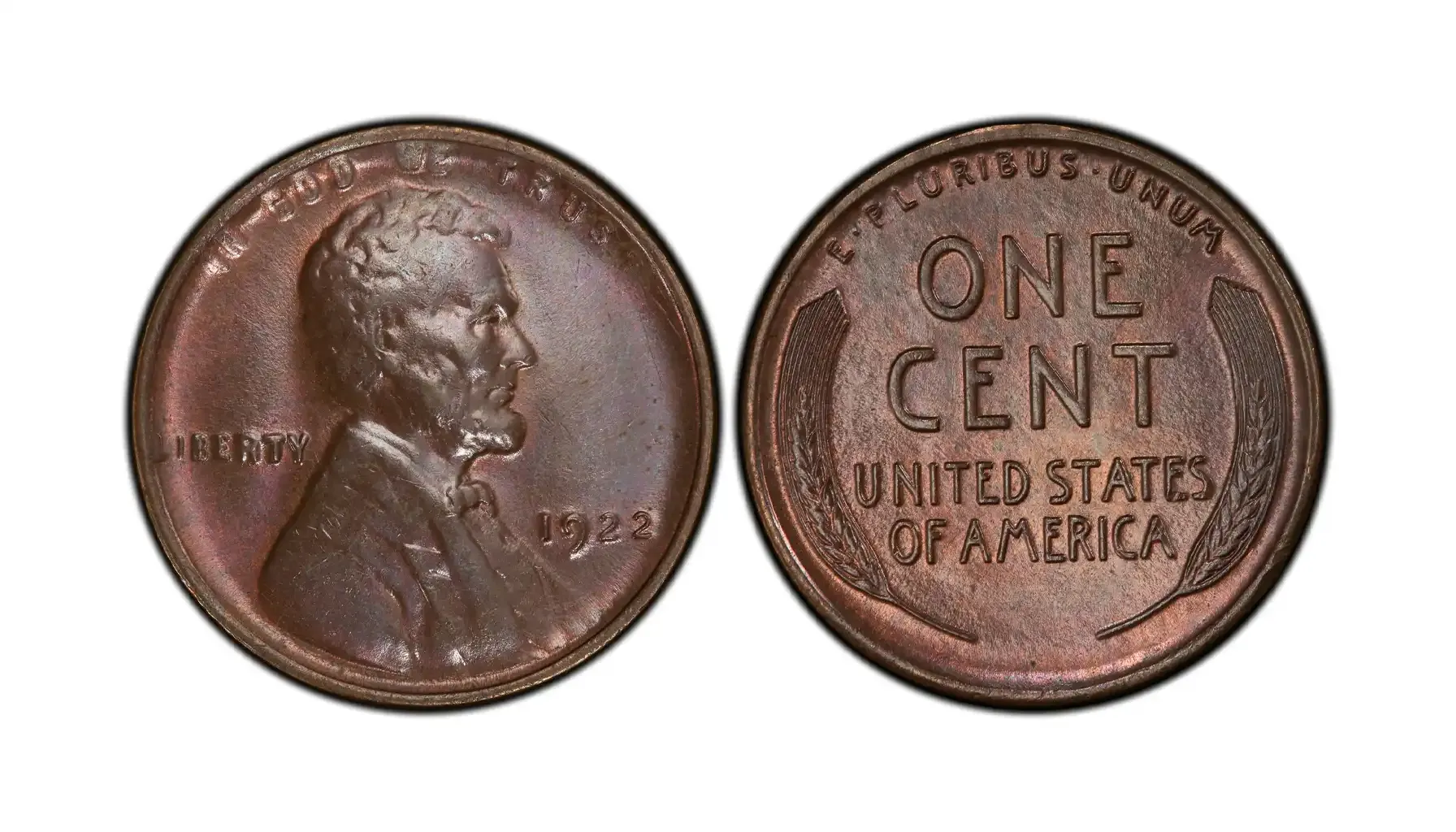
Main Factors Behind High Valuations for Wheat Pennies
Rarity forms the base for any expensive Lincoln wheat penny. Coins produced in small quantities or with distinctive features stand out.
Specific dates, mint marks, or production errors reduce available examples. These limited supplies attract serious collectors willing to pay more.
Condition plays a huge role as well. Pennies showing little wear and retaining original shine command premium amounts.
Professional services assess and rate these aspects. Certified results provide buyers with reliable information on quality.
Importance of Rarity and Production Details
Low production numbers or unique varieties create scarcity. Collectors search for particular mint marks or die types that appear rarely.
Research involves checking dates and marks carefully. Known error categories also contribute to higher interest levels.
These details determine how few similar coins exist today. Scarcity directly supports elevated market prices.
Role of Condition in Determining Price
Minimal handling marks and preserved surfaces define top examples. Full details on designs remain visible in premium pieces.
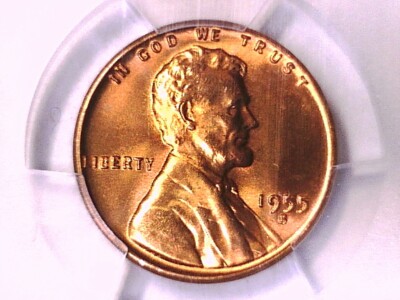
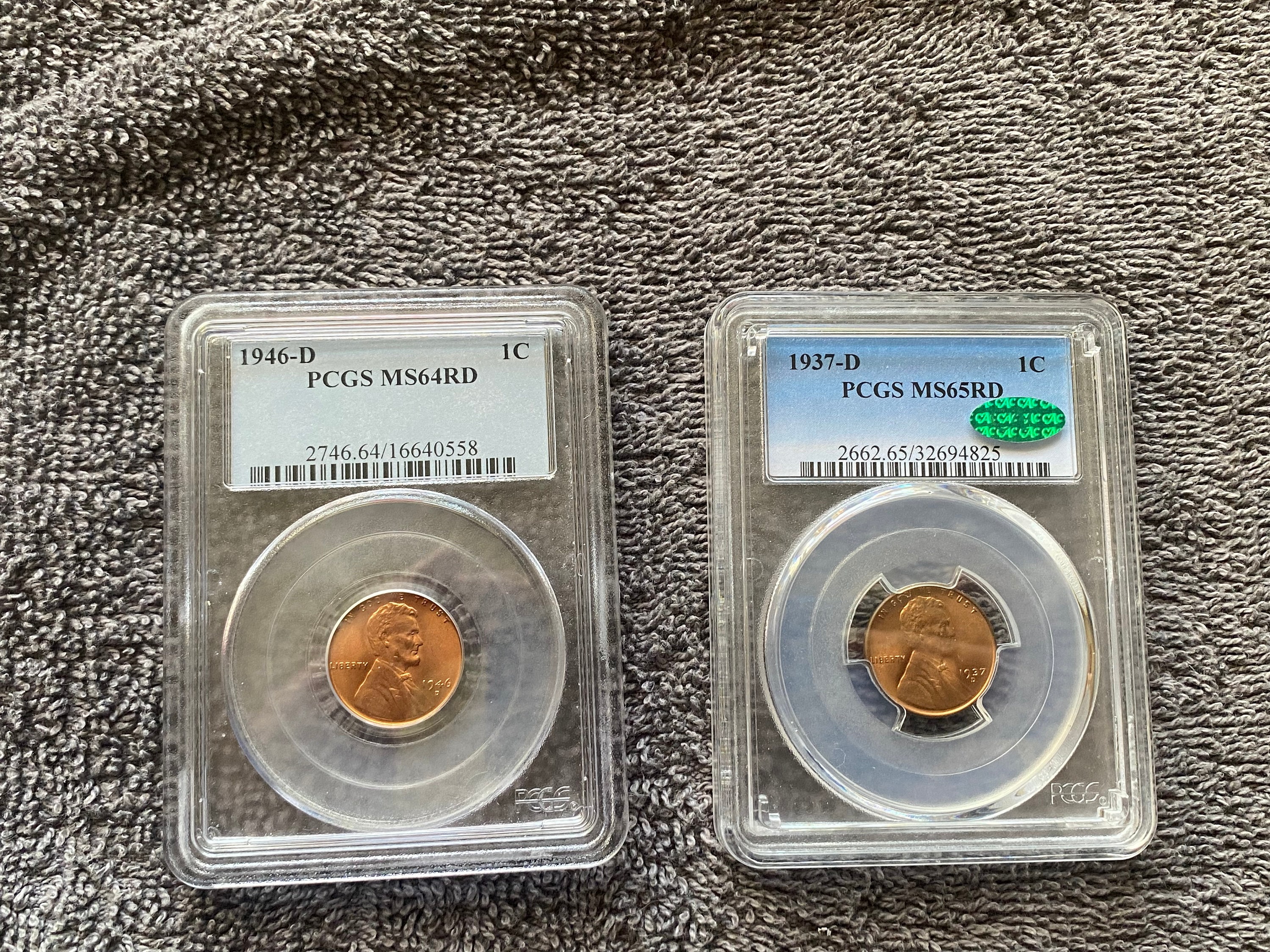
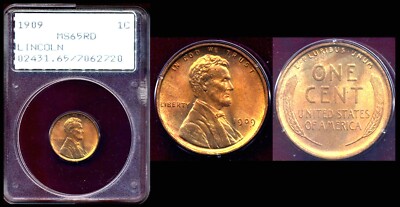
Grading companies like PCGS and NGC examine coins closely. They assign scores that reflect overall preservation.
Higher ratings translate to greater buyer appeal. Certified slabs protect the coin while displaying the official grade.
How Professional Authentication Works
Verification processes confirm a coin’s genuineness. Experts check for signs of changes or fakes.
Grading provides a standard score buyers recognize. Encapsulation in holders safeguards the piece long-term.
Both elements build trust in transactions. They support justifications for six-figure valuations.
Steps Involved in Authentication and Grading
Owners start with careful personal checks for damage or issues.
Clear photographs capture front, back, and key details like mint marks.
Submission follows to established third-party services. These complete full reviews and provide certificates.
Value Added by Provenance and Documentation
Ownership records strengthen a coin’s story. Links to notable past holders or sales increase credibility.
Complete paperwork accompanies premium pieces. Buyers review these materials before committing.
Strong history often leads to better offers. Documentation maintains confidence throughout ownership changes.
Current Market Influences on Prices
Demand shifts based on collector interests. Coins with engaging backgrounds draw more participants.
Auction environments highlight competition effects. Multiple interested parties can raise final amounts significantly.
Private deals among experts also establish price points. These occur outside public view but influence overall trends.
Features Buyers Prioritize in Valuable Pennies
Certified grades and authentication top the list. Clear images help during evaluations.
Absence of cleaning marks preserves originality. Specific varieties matching sought-after types gain attention.
Full supporting records complete the package. These elements combine to justify higher bids.
Sources of $770,000 Level Valuations
Expert appraisals and past auction outcomes set these figures. Competition at sales events often exceeds expectations.
Specialized houses facilitate broad exposure. Results from such venues provide benchmarks for similar coins.
Available Channels for Selling Rare Pennies
Major auction firms offer wide reach through specialist departments.
Established dealers handle direct transactions efficiently.
Consignment arrangements work via local shops or focused brokers.
| Selling Option | Key Benefit | Typical Use Case |
|---|---|---|
| Major auction houses | Maximum buyer exposure | Highest potential returns |
| Reputable dealers | Faster completion | Private, quicker sales |
| Local shops or brokers | Personal guidance | Initial or regional transactions |
Proper Care and Preparation Techniques
Safe storage prevents value loss. Inert materials protect surfaces from harm.
Limited contact and controlled environments maintain condition. Original features stay intact this way.
Documentation travels with the coin. Certificates and records support future dealings.
Essential Checklist Before Any Sale
Secure professional grading and authentication first.
Compile all provenance materials and receipts.
Obtain several expert valuations for comparison.
Select the most suitable selling method based on goals.
Real Example of a Valuable Wheat Penny Discovery
One person located a standout Lincoln wheat penny inside an older album collection. Distinct traits prompted further checks.
Photos documented the coin initially. A nearby dealer suggested professional review.
Grading confirmed a scarce variety with strong preservation. Auction consignment followed.
Bidding activity surpassed early projections. Proper steps and exposure contributed to the successful outcome.

Common Errors Collectors Should Avoid
Relying on unverified online claims leads to mistakes. Professional confirmation prevents overvaluation issues.
Cleaning attempts damage surfaces permanently. Suspicious deals lacking paperwork pose risks.
Useful Questions for Expert Appraisers
Inquire about recent similar sales supporting estimates.
Ask which service handled grading if applicable.
Request details on any available ownership history.
Seek recommendations on optimal selling approaches.
Recommended Process for Potential High-Value Owners
Document everything thoroughly from the start.
Pursue authentication through trusted channels.
Gather multiple professional views.
Choose established partners for transactions.
Careful execution maximizes opportunities. Preparation ensures coins receive appropriate market recognition.
The Lincoln wheat penny series ran from 1909 to 1958. Wheat stalk designs on the reverse inspired the popular name.
Conclusion
Certain Lincoln wheat pennies achieve valuations around $770,000 through combinations of rarity, superior condition, verified authenticity, and strong provenance.
This matters because accurate evaluation and proper handling allow owners to access full market potential.
Readers should understand going forward that professional grading, documentation, and reputable sales channels provide the essential framework for managing any suspected valuable wheat penny.