
Collectors often discuss the Lincoln wheat penny when talking about coins that reach values like $4.4 million. These high prices come from extreme rarity combined with excellent condition, clear ownership history, and strong demand from buyers.
Such valuations represent the top end of what certain rare wheat pennies can achieve. Understanding the factors behind these prices helps anyone with old pennies know if their coin might hold special value or remains a standard piece.
Factors Driving Extreme Value in Wheat Pennies
Several elements make a Lincoln wheat penny stand out and potentially reach multi-million dollar levels.
Mint errors play a major role. Issues like off-metal strikes, significant die mistakes, or uncommon doubled images increase appeal greatly.
Low numbers of surviving coins create scarcity. When only a handful of examples exist, competition among collectors grows intense.
Top condition grades matter. Coins rated in the highest categories, such as MS67 or similar proof levels, show minimal wear and strong visual details.
Documented history adds trust. A proven chain of ownership and past sales records build confidence for potential buyers.
Current market interest influences final prices. Enthusiasm from institutions, high-net-worth individuals, and investors can drive bids higher quickly.
Steps to Spot a Potentially Valuable Wheat Penny
Basic inspection and comparison form the starting point for identification. Follow these straightforward methods.
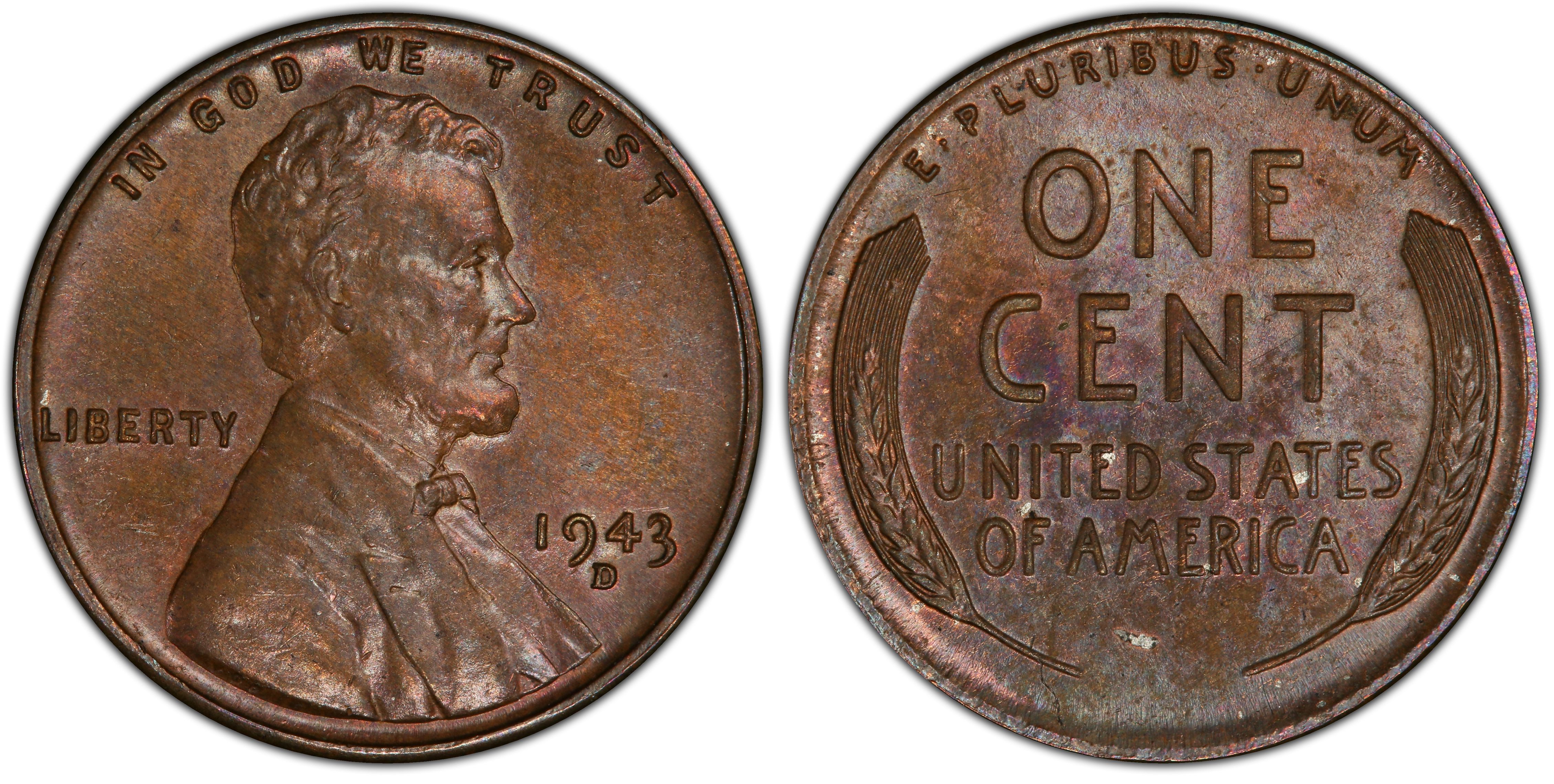
Review the year and mint mark closely on the front side. Certain combinations of dates and mints stand out in collector guides.
Search for unusual traits. Differences in color, metal type, or extra markings on either side signal possible rarity.
Assess overall sharpness and lack of wear. Premium examples display clear details in Lincoln’s features and the wheat designs on the back.
Match your coin against pictures from established sources. References from major grading companies and auction records provide reliable visuals.
:max_bytes(150000):strip_icc()/wheat-penny-back-and-front-on-white-545656412-6df6122b39c94d3090ad77650fe9788e.jpg)
:max_bytes(150000):strip_icc()/US0001-Lincoln-Wheat-1909-S-MS66-RD-56a178aa3df78cf7726afbf9.jpg)
Professional Verification and Grading Process
Suspected high-value coins require expert confirmation. Take these structured actions to establish authenticity.
Limit direct contact and use protective storage right away. This prevents additional marks or damage that lower worth.
Capture clear photos of front and back in proper lighting. These serve as records for initial reviews.
Consult a trusted specialist or established dealer first. They offer early assessments based on experience.
Forward the coin to recognized services like PCGS, NGC, or ANACS. These provide official grading and verification reports.
Keep any related papers or prior expert notes. Full records strengthen position during future transactions.
Guidelines for Readying a Coin for Market
Proper preparation impacts results when offering a wheat penny. Apply these measures for better presentation.
Avoid any cleaning attempts. Removal of surface material or polishing significantly decreases appeal and can affect certification.
Collect supporting materials. Items like old receipts, expert opinions, or history notes enhance credibility.
Select venues with proven success in valuable coins. Auction specialists or dealers familiar with premium pieces handle them effectively.
Use quality images and set appropriate expectations. Good visuals and realistic reserves attract serious participants.
Interesting Fact About Wheat Pennies
The Lincoln wheat pennies appeared from 1909 through 1958. They display Lincoln on one side and two wheat stalks on the other, leading to their common name. Certain production mistakes from that era created versions now sought after by many collectors.
Example of Handling a Discovered Wheat Penny
One individual came across a different-looking wheat penny in everyday loose coins. The piece had unique coloring and remarkably clear details for its age.
The person took specific actions. They photographed the coin thoroughly and matched it to online databases from reliable numismatic sites.
Next, they visited a local trusted dealer for an early review. Feedback encouraged further steps.
The coin went to a leading grading service for full examination and official rating.
With certification complete, placement occurred through an experienced auction firm. Strong paperwork and grade drew multiple offers.
This sequence demonstrates effective handling: careful protection, documentation, expert verification, and targeted marketing. Results showed better returns than quick informal sales. Not all discoveries reach top prices, but the method represents standard practice for possible valuables.
| Step | Action Description | Reason |
|---|---|---|
| 1 | Photographed and compared to databases | Early identification |
| 2 | Consulted reputable local dealer | Preliminary evaluation |
| 3 | Submitted to major grading service | Official authentication and grading |
| 4 | Listed with specialist auction house | Attracted competitive bids |
How Auction Prices Can Climb to Millions
Reaching seven-figure sums involves more than just rarity and quality. Specific conditions align to create peak results.
Unique or near-unique status draws intense interest. Buyers compete fiercely for pieces unlikely to appear again soon.
Links to notable collections or significant past ownership elevate status. Such connections often lead to premium offers.
Well-promoted international auctions expand reach. Broad exposure brings in global participants and escalates bidding.
Recommended Actions for Suspected Valuable Finds
Anyone thinking they possess an outstanding wheat penny benefits from methodical steps.
Refrain from cleaning or making changes. Preservation maintains original state and potential.
Obtain views from knowledgeable experts or established dealers early on.
Secure formal grading and authentication through leading organizations.
Partner with experienced auction providers or specialists in premium coins.
Retain all provenance details and paperwork. Complete records support strongest possible positioning.
These measures do not assure million-level outcomes. They do provide thorough professional evaluation and optimal market exposure.
Collectors gain from knowing the reasons behind high valuations for certain Lincoln wheat pennies. This knowledge sets appropriate expectations and directs proper handling when encountering a possible rare example.
Conclusion
Extreme values like $4.4 million apply to the rarest Lincoln wheat pennies due to unique errors, limited survivors, superior condition, and proven history.
This matters because such coins highlight peak collector demand where scarcity meets strong market interest.
Readers should understand going forward that careful inspection, minimal handling, professional grading, and specialist channels offer the reliable way to assess and present any suspected valuable wheat penny.