
Many people enjoy looking through old coins, hoping to find something special. Twentieth-century pennies, especially Lincoln cents, include some standout rarities due to limited production numbers and unique minting mistakes. This guide covers the top 11 rare pennies minted during that era, highlighting what makes each one stand out and how collectors spot them.
These coins come from the Lincoln series, which ran through much of the century. Low mintages at certain branches, wartime changes in materials, and striking errors created these sought-after pieces. Collectors pay close attention to specific dates, mint marks, and visible features when examining pennies.
Key Rare Pennies and Their Identifying Features
The following list details the top 11 rare pennies from the twentieth century. Each entry explains the coin’s background, how to identify it, and the reason behind its scarcity.
Here is a clear table summarizing these rarities:
| Rank | Coin Description | Identification Tips | Reason for Rarity |
|---|---|---|---|
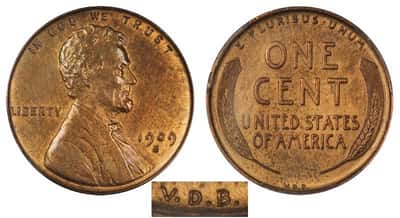
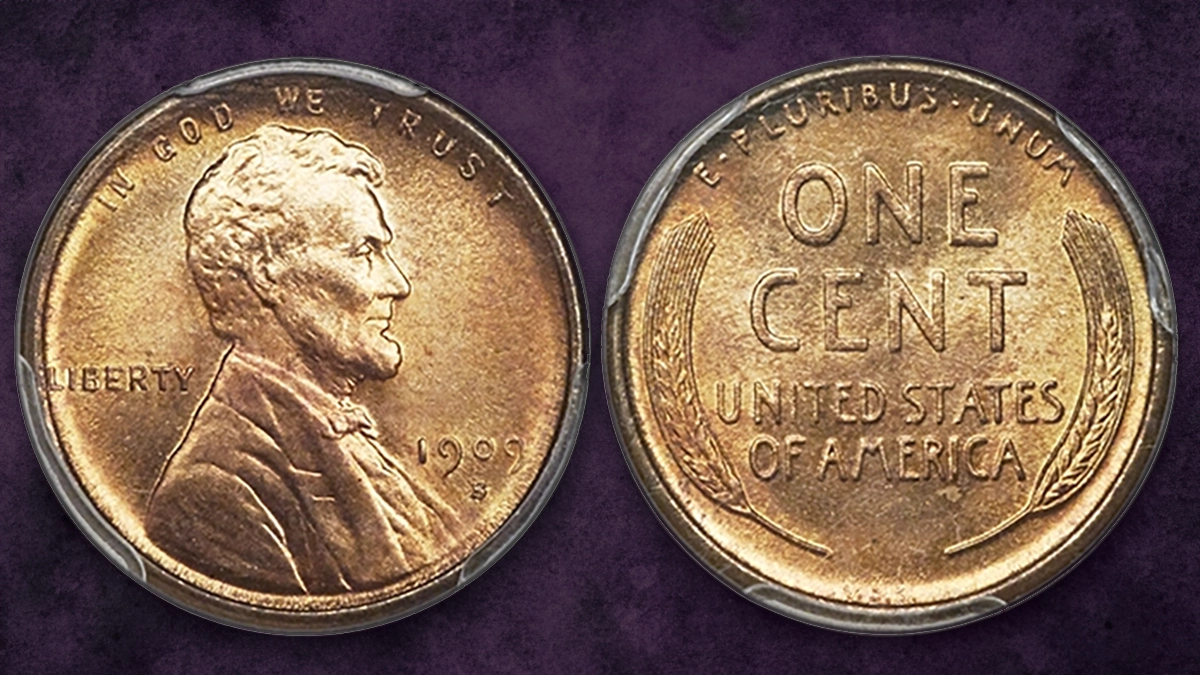
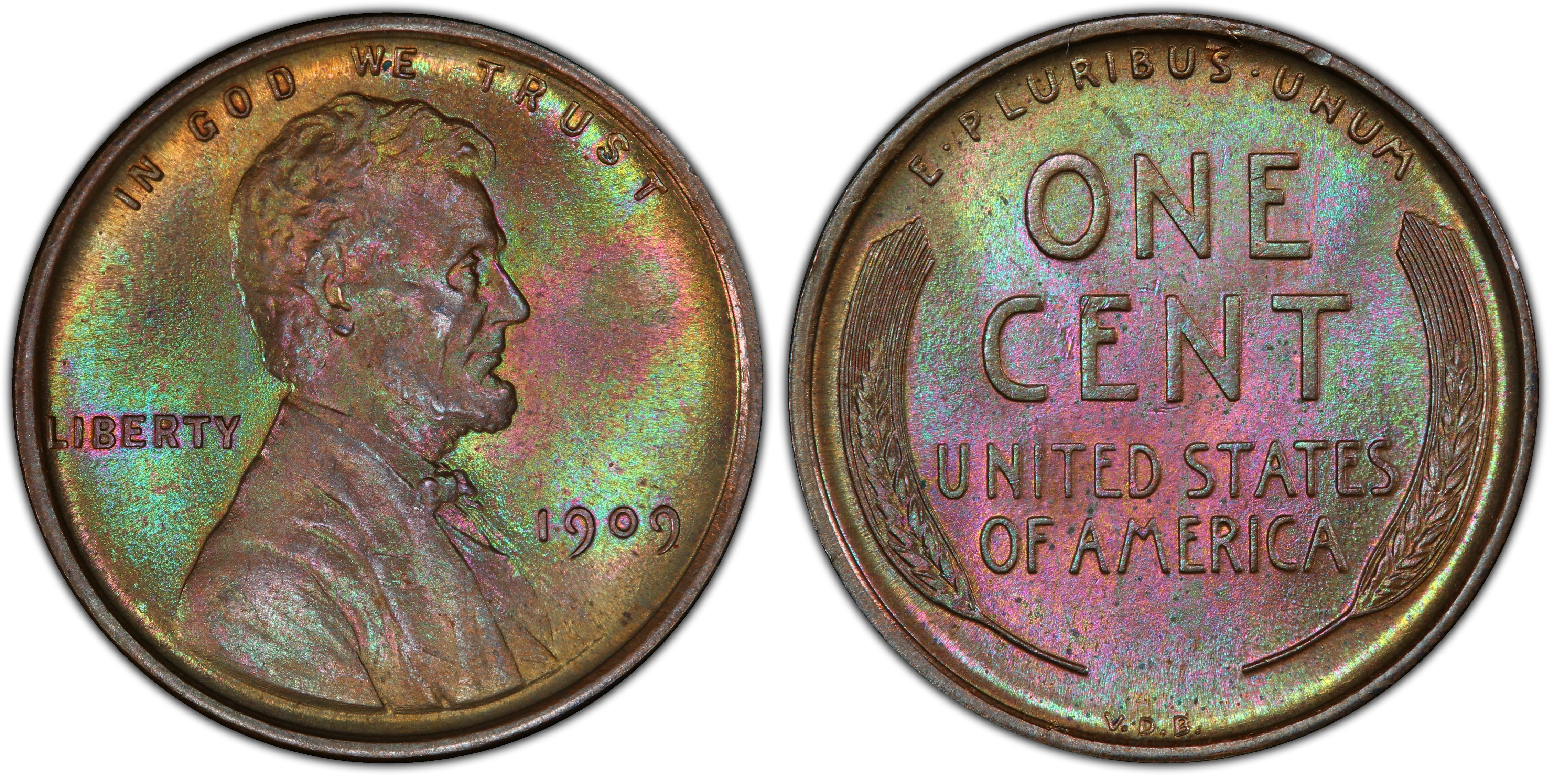
| 1 | 1909-S VDB Lincoln Cent | VDB initials on reverse bottom of wreath | Low San Francisco mintage; initials removed mid-year |
| 2 | 1909-S Lincoln Cent (no VDB) | S mintmark on obverse under date | Lower San Francisco production that year |
| 3 | 1914-D Lincoln Cent | D mintmark below date on obverse | Very low Denver mintage |
| 4 | 1922 No D Lincoln Cent (Plain) | No mintmark where D should appear | Die overpolishing caused missing mintmark |

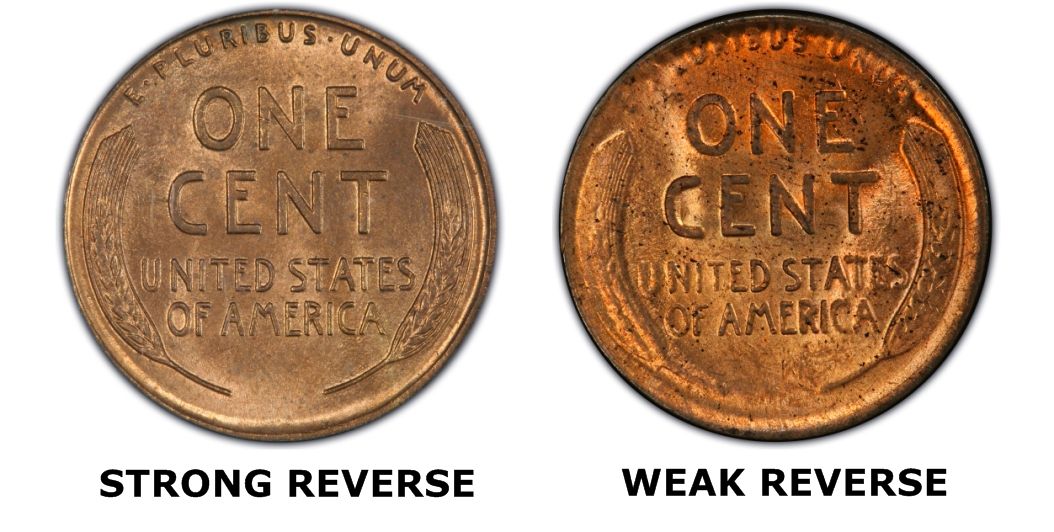
| 5 | 1931-S Lincoln Cent | S mintmark under date | Low mintage from San Francisco | | 6 | 1943 Copper Lincoln Cent | Brown/copper color with 1943 date | Struck on bronze planchet instead of steel |
:max_bytes(150000):strip_icc()/US0001-Lincoln-Wheat-1943-S-Bronze-56a178c73df78cf7726afcb0.jpg)
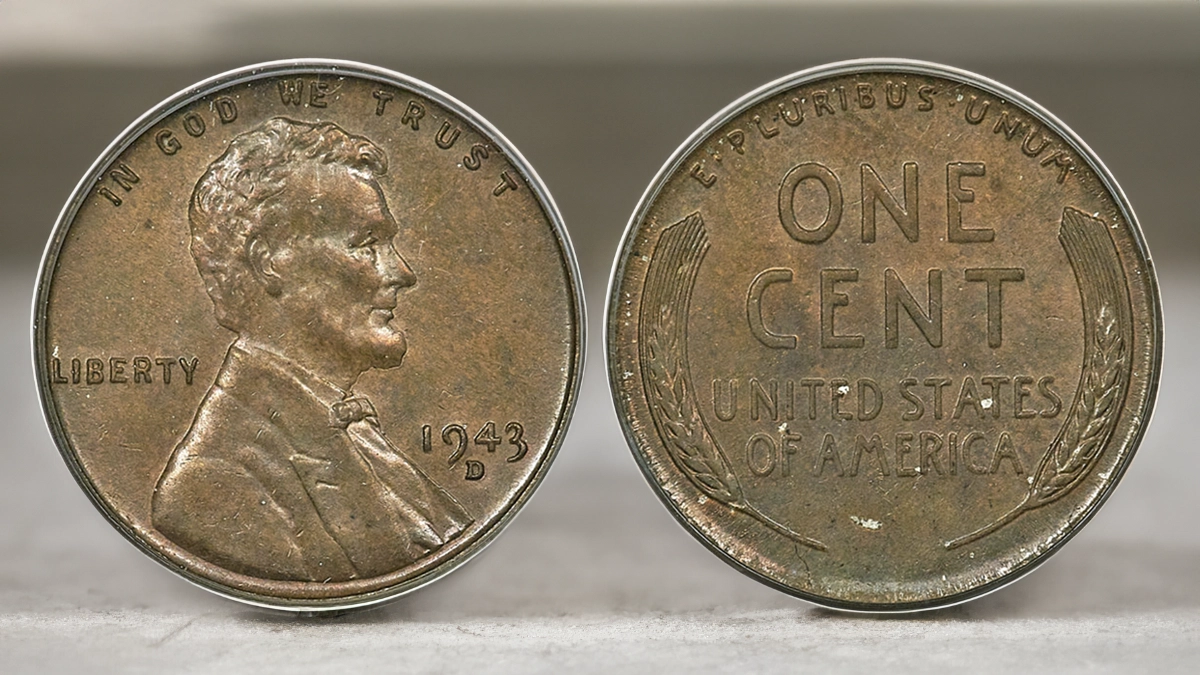
:max_bytes(150000):strip_icc()/US0001-1943-Lincoln-Cent-Copper-Genuine-Fake-56a973475f9b58b7d0fb84aa.jpg)
| 7 | 1944 Steel Lincoln Cent | Gray/steel appearance with 1944 date | Struck on leftover steel planchet | | 8 | 1955 Doubled Die Obverse | Clear doubling on date and LIBERTY | Strong die doubling error |

/US0001-Lincoln-Wheat-1955-Doubled-Die-56a178cb3df78cf7726afcd9.jpg)
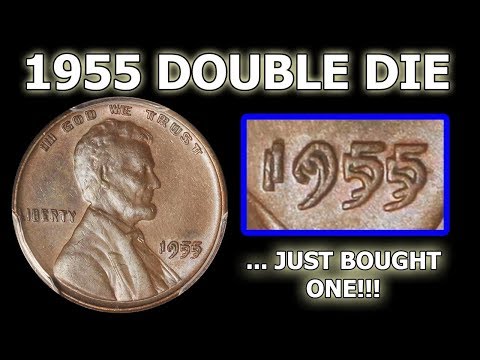
| 9 | 1969-S Doubled Die Obverse | Doubled date and profile on obverse | Bold doubling variety from San Francisco | | 10 | 1972 Doubled Die Obverse | Strong doubling on lettering and date | Limited distribution of bold varieties | | 11 | Other Notable Error Pennies | Repunched mintmarks, off-center, broadstrikes| Unique one-off minting errors |
This table organizes the information for quick reference. Each coin’s distinct traits help separate it from common examples.
How Collectors Spot These Rare Coins
Examining pennies carefully requires the right tools and approach. A 10x loupe provides the magnification needed to see fine details like mintmarks or doubling. Good lighting and a non-reflective surface make differences stand out clearer.
Focus on the date, mintmark location, designer initials if present, any doubling in lettering, and the coin’s metal color. Unusual tones, such as copper on a wartime date or steel on a later year, signal potential rarities.
For promising coins, comparison to reliable reference images from catalogs helps confirm matches. Third-party grading services offer expert verification, which adds protection and confidence for any future transactions.
Quick Steps for Checking Potential Finds
Anyone can follow these basic steps when inspecting a penny:
- Examine the date and mintmark closely under magnification.
- Note any odd metal color or surface irregularities.
- Match the coin against known examples in trusted resources.
- Submit standout pieces to professional grading services.
These actions help avoid common pitfalls and ensure accurate identification.
Real-Life Discovery of a Rare Error Coin
One everyday collector found a 1943 penny that looked different from the usual steel versions—it had a brown copper tone. Recognizing the unusual color as a possible wartime error, the person took careful steps.
The collector reached out to a dealer for an initial review. Then, the coin went to a recognized grading service for full authentication. It received confirmation as a genuine 1943 copper strike.
Later, at auction, the authenticated piece brought a seven-figure price. This process—spotting the anomaly, seeking expert input, and obtaining grading—turned an ordinary find into a documented valuable asset.
Practical Guidance for Handling Rare Pennies
Protecting a potential rarity starts with proper care. Store coins in soft holders or flips to prevent scratches or damage. Avoid any cleaning, as it can harm the surface and lower appeal.
Document clear photos from multiple angles if the coin shows promising features. Keep records of any prior grading or provenance.
When seeking opinions, consult multiple established sources. Current price guides and recent auction records provide realistic expectations.
Conclusion
The top 11 rare pennies of the twentieth century include key dates with low production, material errors from wartime changes, and striking varieties like doubled dies.
What happened is that specific minting circumstances—limited outputs at certain facilities, accidental use of wrong planchets, and die anomalies—created these scarce coins.
Why it matters is that these rarities draw ongoing interest from those examining old collections or change, with authenticated examples achieving high results at sales.
What readers should understand going forward is that careful inspection using magnification, comparison to references, and professional verification separate genuine valuables from common pieces, leading to informed decisions about any finds.